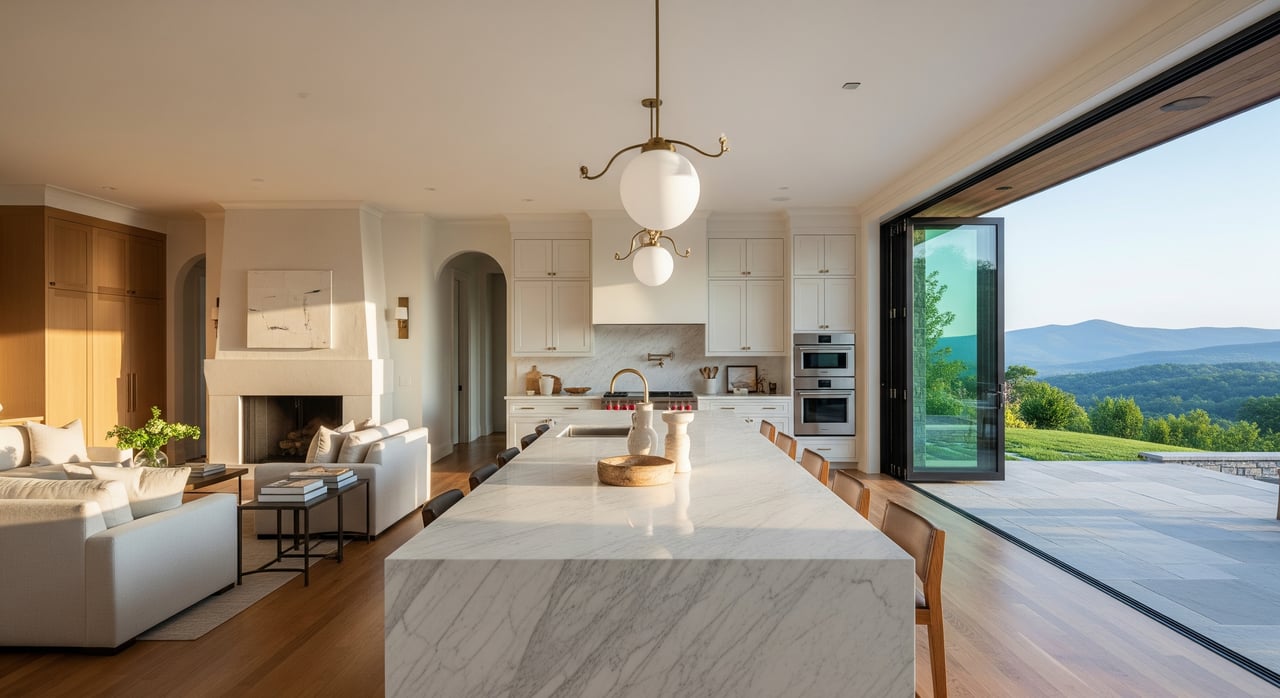
You want a mountain home you can start enjoying on day one, not a project list. If you are shopping in Fletcher and the surrounding Henderson County area, you will see the word “turnkey” used often. The catch is that “turnkey” is marketing language, not a legal standard. What it should mean in the upper tier of our local market is precise, documented, and measurable. In this guide, you will learn how to define turnkey in writing, what to expect in luxury properties, and the protections that keep your move seamless. Let’s dive in.
What “turnkey” should mean in Fletcher
At its core, “turnkey” means a property is ready for immediate occupancy with minimal effort. In luxury listings, expectations are higher. You should expect clarity on furniture and equipment, fully commissioned smart systems, exterior features that are running and documented, and an organized handoff of vendors and warranties.
Because “turnkey” is not a single legal definition, everything that matters must be spelled out. Your goal is a clean, itemized record of what stays, how it works, and how it transfers to you at or just after closing.
Furnishings and FF&E: define what stays
In luxury homes, furnishings can be a major part of the value proposition. Treat them as a separate category and document them clearly.
Inclusion levels to clarify
- Fully furnished: furniture, window treatments, artwork, and kitchen items remain.
- Partially furnished: selected items remain, such as outdoor furniture, rugs, or shades.
- Staged vs included: staged items are often rented. Confirm in writing whether those items stay or leave at closing.
Best documentation practices
- Create an inventory list. Include descriptions, photos, and serial numbers for high‑value pieces.
- Note condition and any items subject to consignment or separate bill of sale.
- Attach the inventory to your purchase contract as an exhibit.
Valuation and financing cautions
- Personal property is distinct from real property. Lenders and appraisers generally treat furniture and moveable items separately unless permanently attached.
- If you want furnishings considered in financing, assign a separate value in the contract and clear it with your lender and appraiser. Guidance from the Appraisal Institute supports this distinction.
Smart home, AV, and security: insist on commissioning
A true luxury turnkey experience includes completed and documented technology that you can operate on day one.
Scope of a luxury system
- Structured wiring with a labeled rack or closet.
- A central control platform, such as Crestron, Control4, or Savant, commissioned and documented.
- Integrated lighting, shades, and HVAC zoning.
- Whole‑house audio and video distribution.
- Security cameras and an alarm system with active monitoring.
Hardware vs accounts
- Differentiate physical equipment from user accounts and subscriptions. Streaming, cloud storage, and monitoring often require transfers or new agreements.
- Require vendor documentation: wiring diagrams, programming notes, login transfer procedures, licenses and contract assignments, equipment warranties, and an owner training session.
- Many systems require a licensed low‑voltage integrator for re‑provisioning. Build this into your transition plan.
Red flags to avoid
- Systems left in a demo state with incomplete programming.
- Devices tied to the seller’s personal cloud accounts without a transfer path.
- Missing documentation or unlabeled racks.
For standards and best practices on commissioning and documentation, see CEDIA. Include a “systems commissioning and owner training” clause in your contract with a defined date and vendor participation.
Exterior readiness: landscaping, pool, and infrastructure
Turnkey should extend to the grounds and all outdoor systems.
- Landscaping complete and healthy, with irrigation zones tested and active. Include controller documentation and any plant warranties.
- Pool or spa operational with recent service records, safety equipment, and automation controls documented.
- Outdoor kitchens, lighting, entry gates, and drive surfaces in working order.
- Backup generator installed, tested, and serviced. Clarify propane or LP tank ownership or lease terms.
If there has been recent exterior work, request permits and final inspection records from the Town of Fletcher and relevant Henderson County offices. Permit history helps with insurance, resale, and peace of mind.
Service contracts and vendor handoffs
Luxury buyers often expect a working roster of trusted pros from day one. Ask for a schedule of current services with contact details and last invoice dates.
- Common services: landscaping, pool care, HVAC maintenance, chimney service, cleaning, alarm monitoring, internet and TV, plus septic or well service where applicable.
- Transfer options: some contracts can be assigned with vendor consent. Others are best canceled and re‑established in your name. Coordinate timing to avoid gaps.
- Prorations: document any pre‑paid amounts to be prorated at closing. Include this in your contract.
Inspections, warranties, and acceptance
“Turnkey” should never replace diligence. It should raise the bar for verification.
- Inspections: complete your general home inspection, plus pool, roof, pest and termite. If there is a well or septic, order those tests. For complex technology, add a low‑voltage specialist. The American Society of Home Inspectors outlines standard practice.
- Commissioning and acceptance: require functionality tests for high‑value systems and a documented walk‑through before closing.
- Warranties: identify transferable manufacturer and contractor warranties. If a seller offers a home warranty product, review coverage and exclusions in writing.
- “As‑is” vs warranted: an “as‑is” clause can override assumptions. If you expect included personal property or systems to work at closing, state that in your contract and specify remedies.
North Carolina specifics for Fletcher buyers
Buying in Fletcher means following North Carolina forms and local processes. Plan for these items early.
Disclosures and HOA materials
- North Carolina requires sellers to disclose known defects on standard forms. Review these carefully to see what is included or excluded. The North Carolina Real Estate Commission publishes the required disclosure guidance and forms.
- For properties in an owners’ association, obtain all association documents that affect maintenance standards, exterior changes, and vendor access.
Taxes, utilities, and permits
- Property taxes are typically prorated at closing. For rates and schedules, confirm with the Henderson County Tax Office.
- Coordinate water, sewer, and other utilities with the Town of Fletcher or the applicable county and private providers. Confirm high‑bandwidth internet availability at the specific address.
- Verify permits and final inspections for recent major work with local offices. Missing permits can affect insurance and timing.
Remote and out‑of‑state closings
- Many out‑of‑state buyers close remotely using a local title company or closing attorney. Ask in advance whether you will use remote online notarization or in‑person notarization and how documents will be recorded.
- Engage local representation experienced in Western North Carolina remote transactions so logistics, vendor access, and timing are managed well.
Appraisal, financing, and tax treatment
Lenders and appraisers focus on the real property, not the moveable personal property.
- Personal property vs real property: list furnishings and other moveable items separately. If you want them financed, you need clear values and lender approval. Policies vary by lender and appraisers will need supportable values. See the Appraisal Institute for general guidance.
- Impact on value: a polished turnkey presentation can improve marketability, but the appraisal will lean on comparable sales and real property features.
- Tax allocation: when significant personal property is included, allocate purchase price between real property and personal property in your contract. This affects closing statements and your records for tax reporting.
Your turnkey buyer checklist
Use this checklist to convert “turnkey” from a promise into a predictable result.
Before you write an offer
- Request a full inventory of included items with photos, models, and serial numbers where applicable.
- Ask for system documentation: wiring diagrams, manuals, invoices, and programming notes for smart home and AV.
- Obtain copies of service contracts, vendor contacts, and recent invoices. Note any pre‑paid amounts.
- Collect warranties and permit or final inspection records for recent major work.
- Confirm high‑speed internet options and backup power capabilities.
Write precise contract terms
- Attach a detailed inclusion list and inventory, including photos.
- Add a condition clause: “All included items will be operational at closing,” or define a remedy timeline.
- Include a systems commissioning and owner training clause with vendor names and dates.
- Add an escrow or holdback for incomplete commissioning or missing high‑value items.
- Define assignment or proration of pre‑paid services and utilities.
- Reserve the right to bring a qualified low‑voltage technician during the inspection period.
During the inspection period
- Complete general, pool or spa, pest and termite, roof, and HVAC inspections.
- If applicable, test well and septic systems.
- Test integrated functions: lighting scenes, shades, HVAC zoning, whole‑house audio, cameras, gates, and pool controls.
At closing and immediately after
- Obtain all account credentials or written re‑provisioning steps for smart systems.
- Conduct vendor handover and training sessions. Keep copies of final service receipts and transfers.
- Confirm that any staging items meant to remain are present and match the inventory.
Work with a trusted local advisor
Defining “turnkey” well protects your time and your investment. When you combine precise documentation, vendor coordination, and clear contract language, your move to Fletcher becomes seamless. If you want a private, outcome‑focused approach from a team that understands luxury, technology, and construction in Western North Carolina, connect with Marilyn Wright for a confidential consultation.
FAQs
What does “turnkey” really include in Fletcher luxury homes?
- It should include clearly documented furnishings, fully commissioned smart systems, ready‑to‑operate exterior features, and organized transfers of warranties and service vendors.
Are furnishings in a turnkey sale part of the real estate?
- Generally no. Furnishings are personal property and should be listed separately with assigned values. Lender policies vary and appraisers treat them apart from the real property.
How do smart home accounts transfer to a new owner?
- Physical hardware stays with the home, but cloud accounts and subscriptions may need vendor involvement or re‑provisioning. Require documentation and an owner training session.
Do I still need inspections if a home is marketed as turnkey?
- Yes. Complete general, specialty, and technology inspections, and require commissioning tests so critical systems are proven functional before closing.
What North Carolina forms or disclosures should I expect?
- Sellers complete state disclosure forms and provide any applicable association documents. Review them carefully and confirm inclusions, exclusions, and known defects using guidance from the North Carolina Real Estate Commission.
How are property taxes and services handled at closing in Henderson County?
- Property taxes are typically prorated, and pre‑paid services can be prorated or assigned based on your contract. Confirm local tax details with the Henderson County Tax Office and coordinate utilities with the Town of Fletcher.
