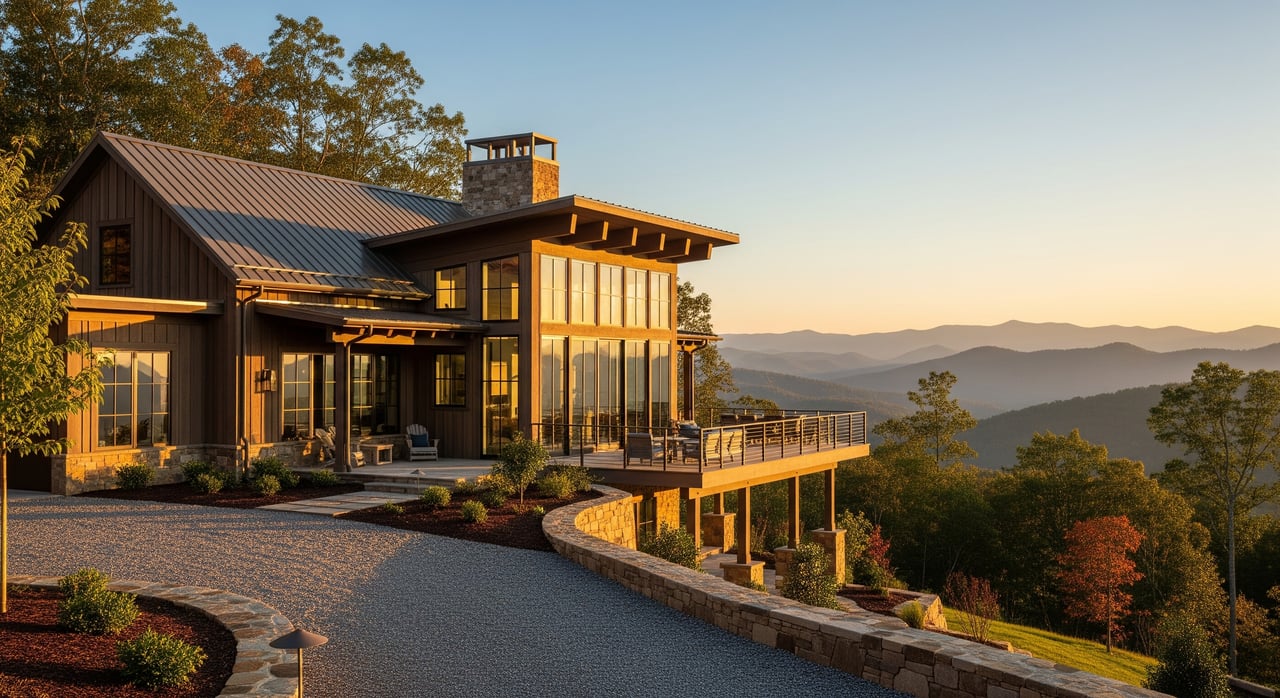
Thinking about a mountain retreat that pairs big views with a welcoming small-town feel? If you are exploring a second home in Western North Carolina, Waynesville offers the cool summers, fall color, and easy access that make weekend escapes simple. In this guide, you will learn when to visit, how to evaluate access and utilities, what luxury buyers prioritize, and the due diligence that protects your investment. Let’s dive in.
Why Waynesville works for second homes
Location and access
Waynesville sits in Haywood County in the Blue Ridge Mountains west of Asheville, generally around 2,500 to 3,000 feet in elevation. You can typically reach Asheville Regional Airport in about 30 to 50 minutes, which keeps air travel practical for out-of-state owners and guests. Asheville’s restaurants, arts, and cultural amenities are within a regional drive, and you are a short hop to the Blue Ridge Parkway, Pisgah National Forest, and the Great Smoky Mountains for day-trip adventures.
Lifestyle blend
You get an authentic downtown with shops, dining, and arts alongside a deep outdoor playground. That balance is a major reason second-home buyers choose Waynesville. You can arrive on a Friday, enjoy trails and scenic drives, and still have easy access to groceries, healthcare, and services.
Seasons at a glance
Summer: full-green and family time
June through August is peak for cool mountain air, hiking, festivals, and family use. If rental income matters to you, summer demand is strong and favors properties with straightforward access, parking, and turnkey interiors. Expect popular days and times to fill quickly for showings, so plan ahead.
Fall: leaf season and active buying
Mid-September through November is the blockbuster season. Many out-of-state buyers time visits to evaluate views with fall color and to see how sun exposure hits decks and outdoor spaces. Sellers often stage for this timeframe, and serious buyers act quickly when a home with views, privacy, and modern systems appears.
Winter to early spring: quiet but strategic
January through March is quieter for tourism and casual open houses. If you want negotiating room and time to evaluate access, this can be a smart window. Snow and ice can affect higher-elevation neighborhoods, so winter viewings help you understand road maintenance and driveway design in real conditions.
Spring: shoulder season and setup
Late spring is a good moment to dial in utilities, test internet speed, and prepare for summer use. You can assess landscaping, drainage, and how foliage will shape warm-weather views. If you aim to close before summer, a spring contract can position you well.
Visit strategies that save time
If you can visit twice
- Plan a fall trip to evaluate views, sun exposure, and foliage.
- Return in late spring or summer to test full-green access, outdoor living, and guest parking.
- Ask your agent to schedule a winter drive-through or provide recent winter photos for any home on a ridge or steeper approach.
If you have one trip
- Choose fall or late spring for the most revealing visit.
- Request drone footage and winter photos to assess access under snow and ice.
- Have your agent arrange time blocks for neighborhood drive-throughs in both wet and dry conditions.
What to test during a showing
- Driveway grade and turning radius for guests and service vehicles.
- Door-to-door travel time to grocery, pharmacy, healthcare, and the airport.
- Cell reception and actual internet speed at the property.
- Road status: public, town, county, or private, and who pays to maintain it.
- Seasonal clues: drainage paths, standing water, leaf buildup, and winter exposure on porches and decks.
Access and infrastructure checks
Roads and year-round access
Some ridge and top-of-mountain homes rely on secondary or steeper roads. These may be slower to clear after snow or ice. Confirm if the road is public or private and whether there is a maintenance agreement. Reliable year-round paved access and a professionally maintained driveway are premium features for good reason.
Utilities and connectivity
Inside town limits and in certain subdivisions, you may find municipal water and sewer. Outside town, you will often see well and septic. Verify well yield and water quality, and inspect septic capacity and condition. Broadband varies by location. Fiber or cable may be available near town and in some communities, while higher elevations may use fixed wireless or satellite. Always verify provider options and actual speeds at the house, not just the street.
Services and proximity
Distance to medical care, groceries, and emergency services can vary across the county. If you plan frequent guest stays or rental use, build a plan for snow removal, trash handling, and routine maintenance. Knowing who to call keeps your second home running smoothly when you are away.
Outdoor amenities within easy reach
The region’s public lands are the headline. The Blue Ridge Parkway offers scenic drives and trailheads with sweeping overlooks. Pisgah National Forest and Great Smoky Mountains National Park provide day-trip access to notable hikes and waterways. In winter, regional skiing and tubing, including Cataloochee Ski Area in nearby Maggie Valley, add cold-weather fun that enhances year-round use.
Property types luxury buyers want
Mountain-view and ridgeline homes
Panoramic views and privacy top many wish lists. You will often see custom builds with elevated decks, walls of glass, and outdoor fireplaces that expand living space. Seasonal view studies help you understand leaf-on and leaf-off sightlines.
Mountain modern and renovated cabins
Many buyers prefer the warmth of wood and stone with the comfort of modern systems. Updated insulation, HVAC, and quality kitchens and baths make second-home living easy. Turnkey properties with contemporary finishes are in demand.
Acreage and estate settings
If you want room for guest spaces, shops, or equestrian use, acreage and estate properties are available in the region. Privacy buffers and multiple structures create flexibility for multigenerational stays and longer visits.
Downtown historic and gated communities
Well-restored historic homes near Waynesville’s downtown appeal to buyers who want walkable conveniences. Gated or planned communities can offer structure, amenities, and lower maintenance, which is attractive for lock-and-leave use.
Features that command premiums
- Year-round paved access and well-designed, plowed driveways.
- Wide, unobstructed mountain and valley views.
- Modern mechanicals: efficient heating and cooling, quality insulation, and whole-house generators.
- Low-maintenance outdoor spaces with hardscaping and durable materials.
- Layouts with guest quarters and easy parking, especially if short-term rental is allowed.
Due diligence for mountain homes
Access, ownership, and maintenance
Identify whether the road is maintained by the town, county, or property owners. For private roads, review the maintenance agreement, cost-sharing, and the history of snow and ice response. Ask for recent invoices and contact information for service providers.
Water and septic
Order a professional well yield test and water-quality report. Have the septic system inspected and sized for your intended occupancy. On steep sites, repair or replacement costs can rise, so clarity here is essential.
Drainage and slope stability
Mountain sites require attention to water management. Look for established drainage channels, culverts, and retaining walls. For steep or ridgeline lots, a site-specific review by an engineer is common and can prevent surprises.
Insurance and risk
Premiums and coverage vary by location and site characteristics. Obtain quotes early and ask about any additional coverage you may need. Wildfire risk in this region is generally lower than in the western United States, but you should still review local risk designations and maintain defensible space.
Short-term rentals and HOAs
Regulations can differ inside the Town of Waynesville versus unincorporated Haywood County. Before relying on rental income, confirm zoning, licensing, tax obligations, and any HOA rules on rentals and exterior design. Do not assume that what is allowed on one street is allowed on another.
Taxes and recurring costs
Review the current Haywood County tax rate and any special assessments for your property. Factor in utilities, septic and well maintenance, road fees, and seasonal services such as snow removal or landscaping. A clear annual budget supports realistic planning for a second home.
Inspections and project planning
Choose inspectors who know mountain construction. In addition to standard home inspections, engage well and septic specialists and, when appropriate, geotechnical professionals. If you plan renovations or a new build, research permitting timelines, contractor availability, and site logistics that can affect costs.
A simple 90-day path to purchase
- Week 1–2: Private consultation to define goals, budget, target elevation, access preferences, and rental considerations.
- Week 2–4: Curated shortlist with remote tours, floor plans, and seasonal photos or drone footage. Verify internet options and road status early.
- Week 4–6: In-person visit focused on views, driveways, and travel times to services. Schedule repeat visits in different weather if possible.
- Week 6–8: Offer and due diligence with mountain-specific inspections, insurance quotes, and review of access, well, and septic documentation.
- Week 8–12: Closing and onboarding of trusted local service providers for snow removal, maintenance, and guest-ready setup.
How we help second-home buyers in Waynesville
For buyers who value a discreet, efficient process, a boutique and highly responsive approach makes the difference. You benefit from curated property selection, private and remote touring options, construction-literate guidance on site conditions and systems, and coordinated logistics for cross-distance transactions. If you are evaluating Waynesville or a broader Western North Carolina search, connect to discuss strategy, timing, and the properties that align with your goals.
Ready to explore Waynesville with a trusted advisor? Request a private consultation with Marilyn Wright.
FAQs
What makes Waynesville practical for out-of-state second-home owners?
- You get a small-town base with easy regional drives to the Blue Ridge Parkway, Pisgah National Forest, and Great Smoky Mountains, and typical 30 to 50 minute access to Asheville Regional Airport.
When should I visit to evaluate views and access in Waynesville?
- Fall highlights foliage and sightlines, while late spring or summer showcases green-season access; if possible, also review winter photos to assess snow and ice conditions.
How do I verify year-round road maintenance for a mountain home?
- Confirm whether roads are public or private, request any maintenance agreements, and ask for recent service records for plowing and repairs.
What utilities should I check for a rural Waynesville property?
- Verify well yield and water quality, septic inspection and capacity, electricity provider, and actual broadband options and speeds at the home.
Are short-term rentals allowed for Waynesville homes?
- Rules vary between the Town of Waynesville and unincorporated Haywood County, and HOAs may set additional restrictions; confirm local ordinances before relying on rental income.
What inspections are common for higher-elevation or ridgeline homes?
- In addition to a general home inspection, plan on well and septic inspections and consider an engineer’s review for drainage and slope stability on steeper sites.
