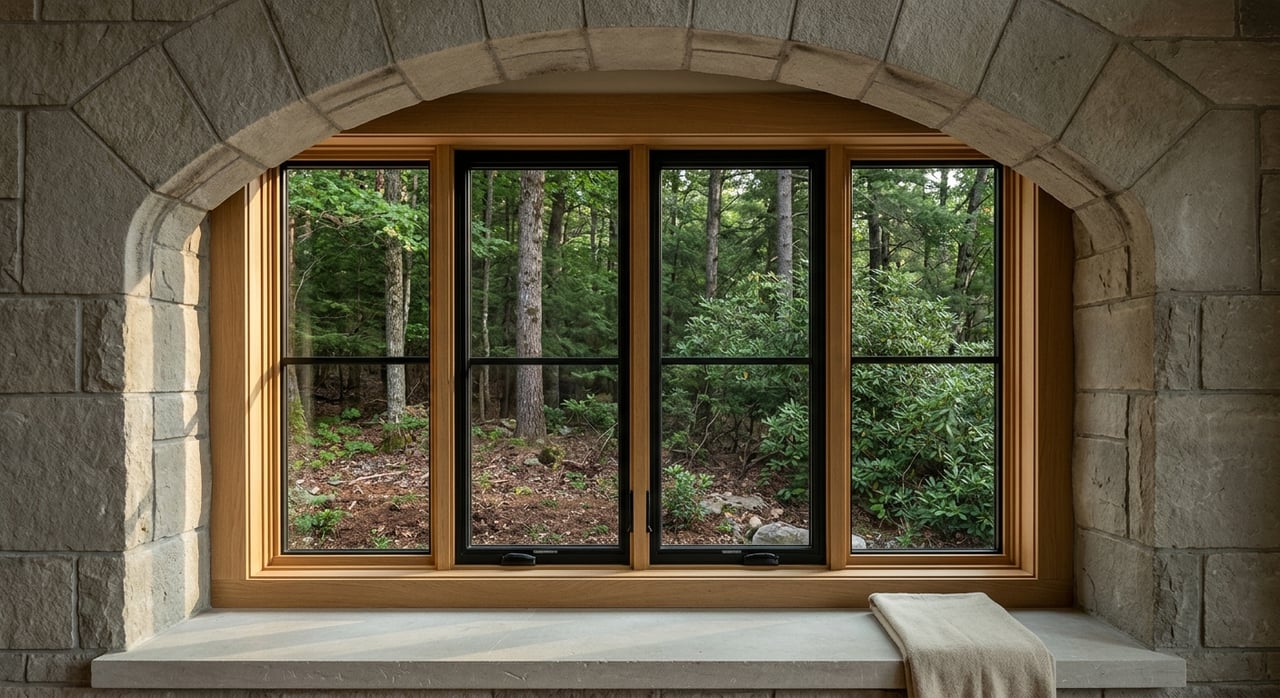
If you are choosing between a historic home and a newly built residence in Hendersonville, you are not picking between right and wrong. You are choosing the kind of ownership experience that fits your lifestyle, priorities, and comfort level with upkeep. In a market that includes both preserved character homes and active new development, the best choice often comes down to how you want to live and what tradeoffs you are willing to make. Let’s dive in.
Why This Choice Matters in Hendersonville
Hendersonville offers a housing mix where both paths are firmly part of the local market. The city’s estimated 2024 population was 15,656, and Henderson County had 120,771 residents, with a median owner-occupied home value of $413,500, according to the U.S. Census QuickFacts page. That combination helps explain why you will find buyers drawn to both architectural character and lower-maintenance living.
This is also a place with a strong preservation identity. The city maintains a Historic Preservation Commission and review process, which matters if you are considering an older home with notable architectural features or a property located in a local historic district.
At the same time, new construction is not rare here. Henderson County’s annual statistical profile reported 6,886 permits in 2020, including 384 new residential units, and the county permit system tracks current residential and commercial activity. In other words, Hendersonville supports both old-world charm and modern building with equal relevance.
What Old-World Charm Means Here
In Hendersonville, historic appeal is tied closely to the city’s growth after the railroad arrived in 1879. Local preservation history connects that period to the spread of Queen Anne, Colonial Revival, Italianate, and other late-19th- and early-20th-century architecture, with additional local examples that include Bungalow, Tudor Revival, Four Square, Spanish Eclectic, Minimal Traditional, and Ranch styles on the Hendersonville Historic Preservation site.
For you as a buyer, that often means visible craftsmanship and individuality. Older homes may offer details that are difficult to duplicate in new construction, such as distinctive rooflines, original materials, period windows, or architectural layouts shaped by the era in which the home was built.
Historic resources in Hendersonville are spread across several named districts. The city identifies Druid Hills, Hyman Heights, and Main Street as local historic districts, and preservation resources also reference areas such as 7th Avenue Depot, Cold Spring Park, Lenox Park, Oakdale Cemetery, and West Side.
Why Buyers Love Historic Homes
Historic homes often appeal to buyers who want more than square footage. They offer a sense of place, architectural texture, and a story that can be hard to find in a newly built property.
If you value design authenticity, renovation potential, and established streetscapes, an older home may feel more compelling. For many buyers in the luxury and second-home market, that connection to craftsmanship is a major part of the property’s appeal.
What to Check Before You Buy Older
If a home is in a local historic district, exterior changes may require approval. Hendersonville’s FAQ explains that local historic districts require a Certificate of Appropriateness before certain exterior work, while properties in National Historic Districts may be eligible for state and federal tax credits for approved renovations. You can review those details through the city’s historic preservation FAQ.
That distinction matters. A home may be in a local historic district, a national historic district, both, or neither, and each scenario can affect your renovation flexibility in different ways.
The COA process page also clarifies that normal maintenance is treated differently from major work. Painting, minor like-for-like repairs, replacing window glass without changing the window type, caulking, weather-stripping, and some minor landscaping typically do not require a COA, while additions, demolition, new construction, moving buildings, and roofline changes generally do.
What New Construction Offers
New construction in Hendersonville usually appeals to buyers who want predictability. The permitting process is more standardized, and Henderson County states that zoning permits are required for new construction, additions or alterations, and changes of use, while residential and commercial construction projects generally require permits and inspections.
For many buyers, the practical upside is simple. A newer home often comes with newer systems, a more current code framework, and fewer near-term repair questions than a historic property.
North Carolina’s current residential energy code is the 2015 IECC with amendments, effective January 1, 2019, according to the U.S. Department of Energy’s Building Energy Codes Program. Compliance is handled through the normal permit and inspection process, which gives buyers a clearer baseline for energy-related construction standards.
Why Buyers Choose Newer Homes
If you prefer a more streamlined ownership experience, new construction may be the better fit. You may have fewer immediate maintenance demands, more predictable insulation and system performance, and a design that aligns with current building practices.
This option can be especially appealing if you are buying from out of state, planning a second home, or simply want less uncertainty in the first few years of ownership. The tradeoff is that a newer home may not offer the same level of architectural individuality as a carefully preserved historic residence.
What to Confirm on New Builds
Even with new construction, due diligence still matters. You will want to understand permit status, inspections, zoning approvals, and how the home fits into the broader site and development context.
Henderson County’s permit process overview is a useful reference for understanding how residential construction moves through approvals and inspections. For buyers evaluating a custom build or development opportunity, these details are a key part of risk management.
Maintenance and Efficiency Differences
One of the biggest differences between old and new homes is not visual at all. It is the ongoing relationship you will have with maintenance, repair planning, and energy performance.
The National Park Service notes in its historic building maintenance guidance that historic buildings require regular maintenance to preserve historic fabric and operational efficiency. That same guidance highlights common energy issues such as air infiltration around windows and doors, along with insulation challenges in attics and walls.
The U.S. Department of Energy framework cited in the research also supports a practical point buyers already sense. Older homes often have less insulation than homes built today, while newer homes are typically constructed under a current code framework that helps create more predictable performance.
That does not mean older homes are automatically poor choices. It means you should go in with a realistic plan. If you are drawn to charm, you may need to accept a more hands-on approach to maintenance and preservation-compatible upgrades.
How to Decide Which Fits You
In Hendersonville, this decision is best framed around lifestyle, not labels. Both options are viable, and the stronger fit depends on what you value most.
Historic Home May Fit If You Value
- Period architecture and original detailing
- A sense of history and place
- Renovation potential with character retained
- Established historic districts and older streetscapes
- A willingness to plan for ongoing maintenance and review requirements
New Construction May Fit If You Value
- More predictable systems and materials
- A current code framework
- Lower short-term maintenance demands
- A more standardized permit and inspection path
- Simplicity, especially for second-home or long-distance ownership
Questions to Ask Before Making an Offer
Whether you are considering a vintage property or a newly built home, a few questions can sharpen your decision quickly.
- Is the property in a local historic district, a national historic district, or neither?
- Which exterior changes require a Certificate of Appropriateness?
- What work is considered normal maintenance versus major alteration?
- How much original material can be repaired rather than replaced?
- If the home is newly built, what permits, inspections, and zoning approvals apply?
- Does the ownership experience match your tolerance for maintenance, review processes, and future project complexity?
These are not small details. In a market like Hendersonville, they often shape how satisfied you feel long after closing.
A Smart Hendersonville Perspective
The strongest answer for most buyers is not that one option is better. It is that Hendersonville supports both paths in a meaningful way.
The city’s preservation structure gives historic housing real context and protection, while county permitting activity shows that new residential construction is also a normal and active part of the market. If you are weighing charm against convenience, character against predictability, or restoration against turnkey living, the decision becomes clearer when you match the property to the life you want.
If you want discreet, experienced guidance as you compare historic homes, luxury resales, or new construction opportunities in Hendersonville, connect with Marilyn Wright for a private consultation.
FAQs
What does old-world charm usually mean in Hendersonville homes?
- In Hendersonville, old-world charm usually refers to historic or older homes with period architecture such as Queen Anne, Colonial Revival, Bungalow, Tudor Revival, and other styles tied to the city’s late-19th- and early-20th-century growth.
Do Hendersonville historic homes require special renovation approval?
- Yes, if a property is in a local historic district, certain exterior changes may require a Certificate of Appropriateness, while normal maintenance and minor like-for-like repairs may not.
Are new construction homes common in Hendersonville?
- Yes, Henderson County permit data shows that new residential development is an active part of the local housing mix, so new construction is a normal option in the market.
Are older Hendersonville homes harder to maintain?
- Older homes often require more regular maintenance planning, and guidance from the National Park Service notes that historic homes may have energy-efficiency issues related to insulation and air infiltration.
Is new construction more energy efficient in Hendersonville?
- Newer homes are generally built under North Carolina’s current residential energy code framework, which can offer more predictable insulation and system performance than many older homes.
How do you choose between a historic home and a new build in Hendersonville?
- The best choice depends on whether you prioritize architectural character and are comfortable with maintenance and preservation review, or prefer predictability, current code standards, and lower short-term upkeep.
