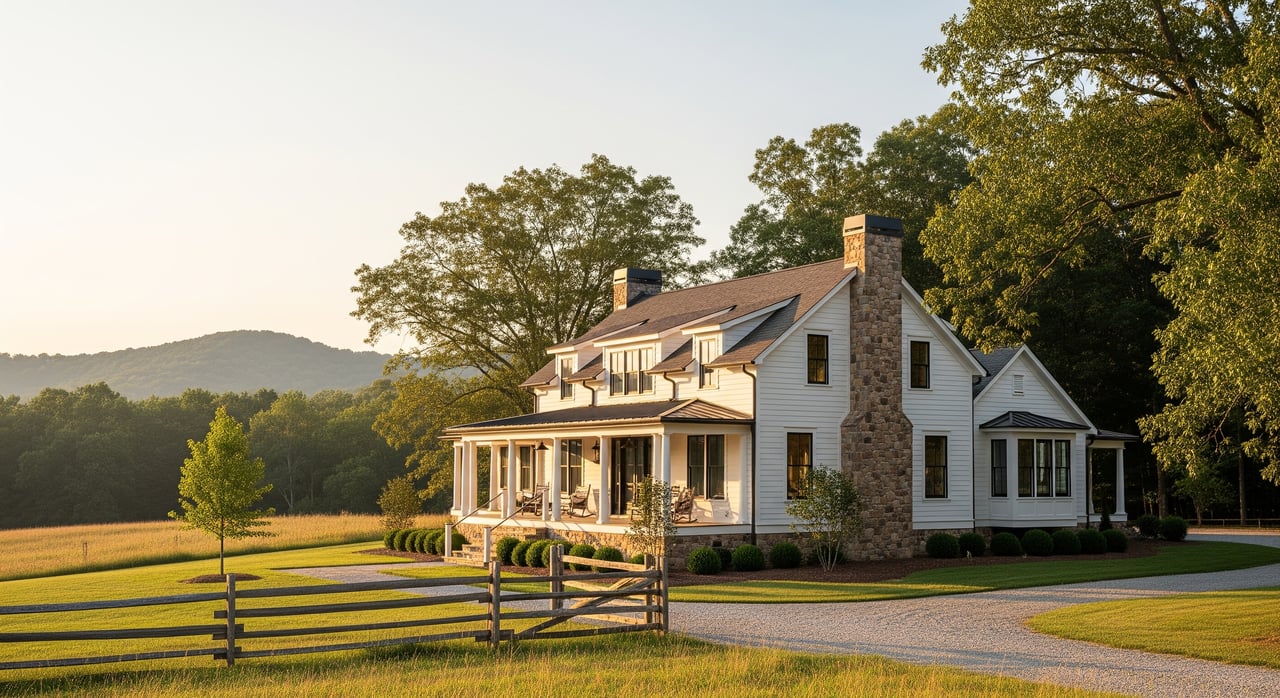
Wondering if Walnut Cove is the right fit for your next move or second home? Choosing a private, amenitized community is a lifestyle decision as much as a real estate one. You want clarity on privacy, membership, home types, and total cost before you commit. This guide walks you through what to verify, what to expect, and how to evaluate Walnut Cove with confidence. Let’s dive in.
Walnut Cove at a glance
Walnut Cove sits within Stokes County in North Carolina and appeals to buyers seeking a quieter setting with a measured, club-style lifestyle. If you value privacy, curated aesthetics, and access to amenities, it can be an excellent match. The right fit comes down to details like access control, membership structure, and the caliber of homes.
Privacy and setting questions to ask
Gate status and road control
- Confirm whether community access is gated, the hours of staffed entry, and how visitor access is handled. Ask if roads are public or private and who maintains them.
Homesite spacing and buffers
- Review typical lot sizes and setbacks, presence of wooded buffers, and sightlines from patios or primary rooms. Walk the property at different times of day to gauge noise, light, and activity.
View corridors and easements
- Ask for recorded plats that show view easements or restrictions. Verify any shared driveways or utility easements that could affect privacy or future improvements.
Membership model to confirm
Membership mechanics shape your lifestyle and ongoing costs. Request the membership agreement and community covenants to verify:
- Whether membership is mandatory or optional for homeowners.
- Categories of membership, who is eligible, and what each level includes.
- Initiation or joining fees, annual dues, and any minimum spend requirements.
- Transfer rules on sale, refundability, and guest access policies.
- Reservation priorities for golf, courts, fitness, or dining if applicable.
Home types and architectural caliber
Every community has a design point of view. Ask for design guidelines and recent approvals to understand:
- Typical home sizes, lots, and whether homes are custom or production-built.
- Predominant architectural styles and exterior materials allowed by the guidelines.
- Interior finish expectations such as window specs, flooring, millwork, and appliance standards.
- The approval process with the architectural review board and expected timelines for renovations or new builds.
Amenities and daily convenience
Amenities define daily life. Request an amenities summary and confirm resident versus member access:
- On-site features to verify may include clubhouse, dining, golf, pools, fitness center, tennis or pickleball, trails, and programmed events.
- Ask about hours, maintenance schedules, reservation systems, and guest policies.
- For daily convenience, confirm drive times to grocery, pharmacy, schools, and healthcare. Visit during peak hours to test real-world timing.
Ownership costs and operations
Build a complete cost picture so there are no surprises after closing. Document the following:
- HOA or POA dues and what they cover. Request the current budget, reserve study, and any history of special assessments.
- Utilities and providers, including water, sewer or septic, electric, gas, and broadband options with typical speeds.
- Property tax rates and recent assessed values for comparable homes.
- Insurance considerations relevant to the area, including wind, hail, or flood exposures if applicable.
- Maintenance responsibilities split between HOA and owner, including landscaping, roads, and exterior elements.
Market and resale dynamics
Liquidity and appreciation can vary from the broader county market. Ask your advisor for recent MLS reports specific to the community:
- Active listings, recent sales, median price movement, and price per square foot trends.
- Average days on market and seasonal patterns in showing activity.
- Percentage of primary residences versus second homes and any rental restrictions.
- New construction pipeline and how it may influence supply and pricing.
Who thrives in Walnut Cove
- Retirees and active seniors: Often prioritize low-maintenance living, health and fitness options, and social programming, along with cost predictability.
- Empty nesters and downsizers: Value lock-and-leave convenience, quality finishes in a smaller footprint, and guest accommodations for visits.
- Remote professionals: Need reliable high-speed internet and a quiet setting, with reasonable access to services and airports for travel.
- Second-home buyers: Look for security, amenity access, and maintenance support, with clarity on rental policies for flexibility.
- Families with school-aged children: Focus on lot sizes, community programming, and neutral information on school assignments from official sources.
Smart steps to evaluate Walnut Cove
- Request core documents: CC&Rs, bylaws, rules and regulations, design guidelines, HOA budget and reserve study, meeting minutes, and membership agreement.
- Plan a staged visit: Do a daytime and evening drive-through, tour amenities with the membership office if allowed, and schedule showings that match your target home type.
- Ask for a membership summary: Initiation costs, annual dues, included services, and waitlist policies if they apply.
- Complete due diligence: Home inspection, septic or well inspection if applicable, title review for easements, flood zone confirmation, and an in-person broadband speed test.
- Prepare post-offer items: Understand any HOA or club approval steps, required forms, fee escrows, and timing for access transfer.
Property due diligence checklist
- Property-level: Lot orientation and sun exposure, driveway slope, retaining walls, tree conditions, and recorded easements.
- Structure and systems: Roof age, foundation type and condition, HVAC age and service records, insulation, and energy upgrades.
- Utility and wastewater: If septic, confirm age, pump history, and drain field location. If on well, plan a water quality test.
- Finishes and quality: Window types, exterior cladding, kitchen and bath finishes, built-ins, and garage configuration.
- Accessibility: Main-level living options, stair count, and potential for aging-in-place improvements.
- Site risk: Steep slopes, drainage patterns, and any wildfire vegetation considerations.
Common trade-offs to weigh
- Potential advantages: High privacy, security, curated aesthetics, on-site amenities, and active social programming.
- Potential drawbacks: Higher ongoing costs from dues and club fees, use restrictions under the covenants, the possibility of assessments, and distance from daily services in some sections.
How we help you buy with confidence
Choosing the right community is about fit, not just features. You deserve clear answers, calm guidance, and a plan that protects your interests from first tour to closing. Our team pairs deep local knowledge and construction literacy with discreet, high-touch representation tailored to primary and second-home buyers. If you would value a private, outcome-focused conversation about Walnut Cove, connect with Marilyn Wright to request a private consultation.
FAQs
Is membership mandatory for Walnut Cove homeowners?
- Membership rules vary by community; review the covenants and membership agreement to confirm whether ownership requires membership or if it is optional.
How private is community access in Walnut Cove?
- Privacy depends on gate status, road ownership, and visitor policies; confirm whether entry is staffed, how guests are registered, and who maintains roads.
Can I rent my Walnut Cove home short term?
- Check the CC&Rs and any club rules for minimum rental periods, registration requirements, and limits on the number of rentals allowed.
What home types are common in Walnut Cove communities?
- Expect a mix that can include single-family homes, cottages, and townhomes; verify typical sizes, architectural standards, and whether homes are custom or builder-produced.
What ongoing costs should I model for Walnut Cove?
- Plan for HOA dues, potential club dues, utilities, property taxes, insurance, and routine maintenance; request budgets, fee schedules, and reserve studies.
What due diligence should I complete before buying in Walnut Cove?
- Order core HOA and membership documents, inspect the home and septic or well if applicable, confirm flood zones, and verify broadband performance on site.
