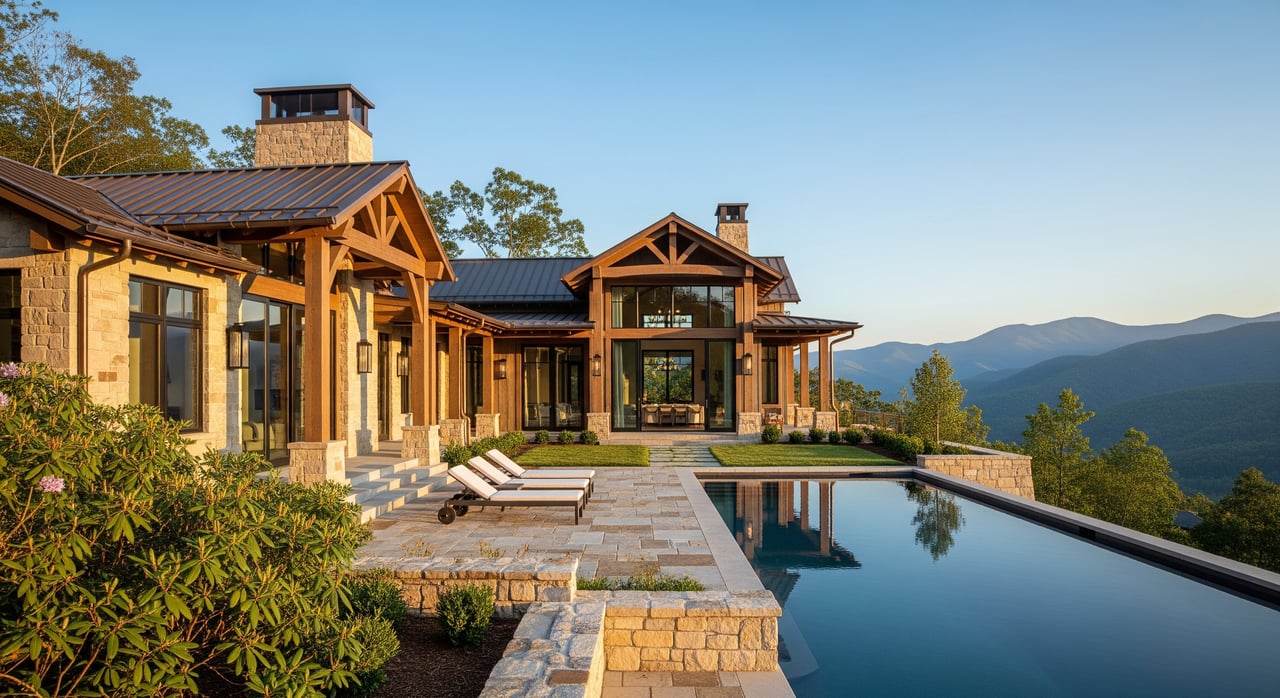
Is Asheville really in the same conversation as Aspen or Palm Beach? If you want mountain beauty, culture, and year-round ease without the ultra-premium price tag, the answer is yes. You want a refined lifestyle, reliable access, and properties that hold up to close scrutiny. In this guide, you’ll see how Asheville competes with leading luxury and second-home markets, what to watch during due diligence, and how to position a sale for premium results. Let’s dive in.
Asheville’s luxury edge
Asheville blends a scenic Blue Ridge setting with a strong arts, culinary, and wellness scene. You get galleries, music venues, acclaimed restaurants, and festivals that support full-time living, not just a high season. That creates an everyday lifestyle many resort towns cannot offer.
Accessibility is another advantage. You can drive here within a day from major Southeastern and Mid-Atlantic metros. Asheville Regional Airport has expanded service in recent years, which makes second-home ownership and guest visits easier throughout the year.
You also benefit from relative value. Land and construction costs are generally lower than elite Western resorts, so your budget can go further. Many buyers find they can secure more acreage, privacy, or bespoke finishes for the same spend.
Who buys here
Luxury demand in Asheville is diverse. You see domestic second-home buyers from the Southeast and Mid-Atlantic who use their homes on weekends or for multi-week stays. Retirees and near-retirees also choose Asheville for wellness, services, and community ties.
Remote and hybrid workers have joined the mix. They prefer amenity-rich small-city living with quick access to hiking, biking, and fly fishing. High-net-worth buyers who might consider trophy Western resorts often come here for a more accessible, lower-cost private retreat.
International buyers purchase at lower volumes than in major coastal markets. Those who do buy are drawn by privacy, lifestyle, and the stability of the U.S. market.
What you can buy
Property types you will see
- Mountain estates on private ridgelines with long-range views.
- Renovated historic condos or townhomes in close-in neighborhoods such as downtown, Montford, and parts of West Asheville.
- Luxury log homes and custom cottages on acreage.
- Gated community homes and equestrian properties in nearby valleys and plateaus.
- Lots for custom design and build, often with conservation covenants or ridgeline protections.
Pricing context and tiers
Asheville’s entry to luxury is typically lower than top Western resorts. Premium urban properties near dining and culture, or private mountain estates with exceptional views and high-end finishes, are competitive within East Coast mountain destinations. Your budget may simply buy more here, whether that is land, square footage, or turnkey amenities.
How Asheville compares
Versus Western icons
Against markets like Aspen, Jackson Hole, or Telluride, Asheville generally offers more affordable price points and easier East Coast access. You also get a longer season of community activity since the lifestyle does not center on winter sports alone. The tradeoff is a lower ceiling for ultra-trophy properties and a smaller concentration of UHNW seasonal owners.
Versus regional mountain towns
Compared with Blue Ridge, Highlands, or Blowing Rock, Asheville offers a larger critical mass of cultural institutions, hospitals, and an airport. That infrastructure supports both second-home owners and full-time residents and contributes to year-round vibrancy.
Versus coastal luxury markets
Coastal hubs like Charleston or Palm Beach attract boaters and beach lifestyles. Asheville competes on nature, privacy, and mountain recreation. Many buyers prefer the Blue Ridge for hiking, biking, and cooler summer temperatures.
Infrastructure that matters
Travel and access
Asheville is a day’s drive from many Southeastern and Mid-Atlantic cities. The regional airport’s growing nonstop map improves national access for owners and guests. On the ground, many mountain parcels require winding drives. Winter access, road maintenance, and snow clearing are practical points to confirm during due diligence.
Healthcare and services
Regional medical centers and full-service hospitals support full-time living and are a draw for retirees and families. The broader economy includes tourism, hospitality, healthcare, education, and creative sectors. That year-round base helps stability compared with purely seasonal resort towns.
Investment and STR realities
Short-term rentals play a role in the luxury landscape, but rules vary by jurisdiction and neighborhood. Asheville and Buncombe County have licensing and regulation frameworks that govern permitted use, licensing costs, caps, taxes, monitoring, and enforcement. Homeowners’ associations and gated communities often add their own restrictions.
If investment income is part of your strategy, verify the rules for the specific address, and review seasonality. It is normal to see rental demand and rates change across the calendar, with some compression in the off-season.
Risks to underwrite
Mountain properties are rewarding, but they require careful due diligence. Site specifics can affect value, insurability, and long-term enjoyment.
- Steep slopes, driveway design, and access costs.
- Erosion control, drainage, and stormwater management.
- Septic and well feasibility and permitting.
- Broadband and cellular coverage in remote settings.
- Conservation easements, ridgeline protections, and access easements.
- Flood or landslide exposure in certain hollows and drainages.
- Wildfire risk is generally lower than in many Western markets but still present.
A practical buyer checklist
Use this list to organize your pre-offer and contract-phase work.
- Confirm zoning, STR rules, HOA bylaws, and any conservation or access easements.
- Verify utilities: public water and sewer versus well and septic; broadband and cellular for remote work.
- Order site-specific inspections: geotechnical, driveway and access, drainage, tree risk, and wildfire defensible-space where relevant.
- Review recent comparable sales nearby and understand appraisal limitations for unique properties.
- Confirm insurance availability and premiums, including flood if applicable.
- If renting, obtain historical occupancy and revenue, then review local tax and occupancy tax requirements.
Appraisals and financing
Luxury mountain homes often have unique features and limited comparables. Appraisals may require specialized local expertise and thoughtful adjustments. That is especially true for properties with exceptional views, custom materials, or non-standard lots.
Lenders may treat high-use STRs or remote mountain properties as investment holdings, which can mean higher down payments and rates. Conventional financing for high-value second homes is available, but underwriting can be stricter than for primary residences. Conservation easements and deed restrictions should be disclosed early since they can affect valuation and loan terms.
Selling for premium results
Positioning and timing
A hybrid approach works well in Asheville’s luxury segment. Use national luxury networks to reach UHNW and international prospects, then target regional drive-to buyers through local MLS exposure and lifestyle media. Many listings perform well when marketed ahead of peak visit periods, though motivated buyers shop year-round.
What to showcase
Luxury buyers respond to turnkey living and clear ownership logistics. Emphasize guest houses, indoor-outdoor entertaining spaces, wellness rooms, and private trails. Demonstrate how the property works day to day with property management options, winter access notes, and verified utility setups. If applicable, present compliant STR history and seasonality.
Storytelling and scarcity
Highlight privacy, conservation buffers, ridgeline settings, and notable architects or builders. Professional photography, video, and drone footage should capture view corridors, outdoor living, and proximity to cultural amenities. When scarcity and design pedigree are evident, buyers are more willing to pay a premium.
Why Asheville competes globally
You are weighing lifestyle, access, and value. Asheville blends all three. You get a strong cultural core, four-season recreation, and improving air service. You also buy into a market with diversified demand, a year-round community, and the potential for larger land or amenity packages at a given budget.
Work with a trusted advisor
Selecting the right representation is essential for site selection, valuation, and private deal flow. You want a discreet, high-touch team with deep local knowledge, construction fluency, and global marketing reach. For confidential guidance on buying or selling in Asheville’s luxury segment, connect with Marilyn Wright for a private consultation.
FAQs
How does Asheville compare to Aspen or Jackson Hole on price and access?
- Asheville generally offers lower entry prices and easier East Coast access, with a lower ceiling for ultra-trophy properties but a longer season of community activity.
What luxury property types are most common in Asheville?
- You will find private mountain estates with views, renovated historic condos and townhomes, luxury log and custom homes on acreage, and homes in gated or equestrian settings.
Are short-term rentals allowed in Asheville and Buncombe County?
- STR rules exist and vary by jurisdiction and neighborhood. Verify permitted use and licensing, and review any HOA restrictions for the specific property.
What due diligence is unique to mountain properties?
- Focus on access and driveway costs, slope stability, drainage, septic and well feasibility, broadband, easements, and site-specific environmental risks.
How do appraisals work for one-of-a-kind mountain homes?
- Appraisals can be complex due to limited comparables. Specialized local appraisers and thoughtful adjustments are often needed for view, privacy, and custom features.
When is the best time to list a luxury home in Asheville?
- Many sellers see strong activity when marketing ahead of peak visitation months, but qualified buyers shop throughout the year, especially retirees and relocation clients.
