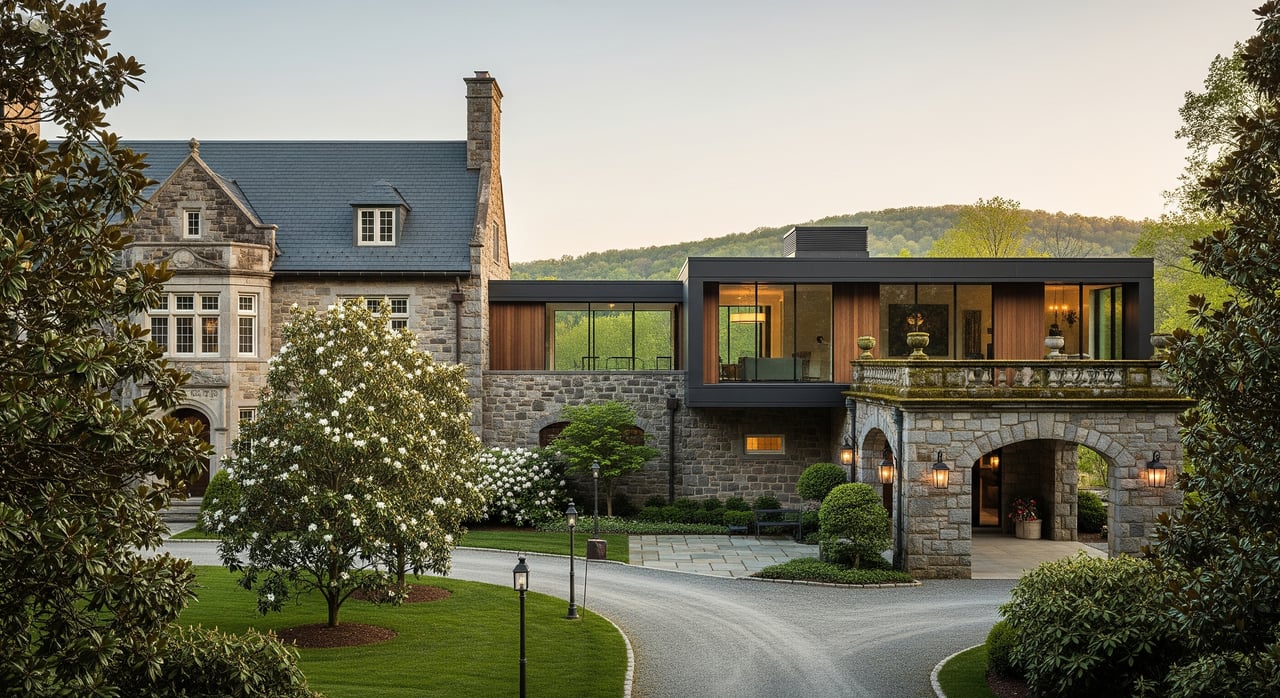
You love the quiet streets, mature canopy, and enduring presence of Biltmore Forest. Now you face a pivotal choice: embrace the character of a historic estate or commission a new build tailored to your lifestyle. Both paths can be outstanding in this market, but they carry very different considerations. In this guide, you’ll compare architecture, maintenance, approvals, costs, timelines, lots, and resale to decide with confidence. Let’s dive in.
Biltmore Forest context
Biltmore Forest is an upscale residential municipality next to the Biltmore Estate and near Asheville. You’ll find large lots, winding streets, and architectural variety that reflects early 20th‑century design. The mature landscape is part of the value and also shapes what you can change on a property.
Inventory here is limited. Buyers often pay a premium for privacy and neighborhood identity, and scarce vacant land can make teardown‑rebuild projects attractive when the lot is exceptional. The town has its own planning, zoning, and public works, and there may be design or tree‑related reviews. Always confirm current regulations with the Town of Biltmore Forest and check Buncombe County records before you plan changes.
Architecture and lifestyle
Historic estate strengths
- Unique craftsmanship. You often see original stonework, custom millwork, plaster details, and architect‑designed elements.
- Established presence. Mature landscaping and street appeal create an immediate sense of place.
- Formal flow. Many historic homes include gracious rooms and higher ceilings that suit entertaining and display.
New build strengths
- Modern layouts. Open kitchens, large primary suites, and flexible spaces match today’s living patterns.
- Integrated technology. Smart systems, lighting, and security are easier to plan from the start.
- Customization. You select materials, storage solutions, ceiling heights, and room relationships to fit your lifestyle.
Maintenance and hidden costs
What to expect in older systems
Historic homes can include aging roofs, older HVAC or boilers, vintage electrical (including knob‑and‑tube or aluminum wiring), and older plumbing such as galvanized pipes. Foundation or drainage issues may be present, and original materials can contain lead‑based paint or asbestos. Plan for targeted capital improvements early in ownership, especially HVAC, electrical, insulation, and moisture control.
New build advantages and caveats
New construction delivers modern systems, code‑level energy performance, and often warranties. Near‑term maintenance tends to be lower. That said, custom luxury finishes can drive costs and create change orders. Work with transparent budgets and a team that manages scope and quality.
Modernization and constraints
Structural realities in historic homes
Opening walls or adding expansive glass may require significant structural work, especially if you encounter load‑bearing walls or unusual floor levels. Preserving original features while modernizing kitchens or baths can be done, but it takes careful planning.
Preservation and approvals
Exterior alterations, additions, and teardowns may need review by town boards or an architectural/design review panel. Even if a property is not in a designated district, neighborhood covenants or tree protection rules can still guide material choices, rooflines, and siting. Confirm the specific process with the Town of Biltmore Forest and check any recorded covenants for the parcel.
Energy upgrades in older homes
You can add insulation, zone HVAC, and improve windows, but preservation guidance might affect what is allowed. Budget time and cost for sensitive upgrades that maintain the home’s exterior appearance.
Cost, permitting, and timeline
Renovations can be less expensive than a full teardown and rebuild, but unknowns often appear once walls are open. New builds offer design freedom and predictable performance, yet usually require demolition permits, tree evaluations, grading, utilities, and a longer construction timeline.
Permitting and any required design reviews can add weeks or months. Complex projects involving tree removal, variances, or heritage considerations can take longer. Financing and insurance differ by path; older structures with original materials can carry higher premiums or conditions, while construction loans and builder financing have their own requirements.
Lot, landscape, and environment
Mature trees are central to Biltmore Forest’s character and value. They also come with constraints. Tree protection rules, the cost of removing large specimens, and root systems near foundations are practical factors. Site conditions such as setbacks, slope, drainage, and floodplain can limit where you expand or rebuild. Always confirm sewer vs septic, and verify stormwater requirements with the town or county before you finalize design.
Resale and holding strategy
Both historic estates and new luxury homes perform well in a low‑inventory market like Biltmore Forest, but each draws a different buyer pool. Historic homes attract those seeking character, landscape, and craftsmanship. New construction appeals to buyers who want turnkey convenience and low maintenance. Over time, lot quality, privacy, location within the village, and your balance of modern convenience with historic integrity drive value.
Decision framework: which path fits you
Use this simple lens to match your priorities to the right property type.
- Choose historic if you value unique craftsmanship, mature landscape, and a timeless presence, and you are comfortable planning system upgrades and ongoing stewardship. Expect some exterior change reviews and budget for early improvements.
- Choose new if you want modern flow, energy efficiency, integrated tech, and fewer near‑term unknowns. Expect a longer build timeline and potential tree or site constraints on established lots.
- Blend the two by preserving public rooms and exterior character while modernizing service areas. Confirm that preservation and design guidance allows your plan.
Budgeting notes:
- For historic projects, include a contingency of about 10–25 percent to cover unknowns. Very extensive restorations may warrant more.
- Remember soft costs: design and engineering fees, historic or design consultants when needed, permitting, landscape and tree mitigation, and insurance during construction.
Due diligence checklist
Use this checklist to protect your investment before you commit. Bring in qualified professionals with experience in older homes and high‑end construction.
Documentation and records
- Confirm zoning, setbacks, lot coverage, and maximum buildable area with the Town of Biltmore Forest.
- Request any architectural or design review guidelines and neighborhood covenants tied to the property.
- Pull tax history and recent assessments from Buncombe County records.
Professional inspections and reports
- Structural engineer review for foundation, major framing, roof structure, and water intrusion.
- Full home inspection by a licensed inspector experienced with older homes.
- Targeted inspections: HVAC or boiler, electrical capacity and wiring type, plumbing materials and sewer line, pest/termite, and moisture or wood rot.
- Chimney and masonry assessment where applicable.
- Hazardous materials screening for lead‑based paint and asbestos by qualified professionals.
- Tree and site survey to locate specimen trees, root proximity to structures, and exact boundaries for planned additions or rebuilds.
Regulatory and heritage checks
- Determine if the property is individually listed or contributing to a historic district and clarify the review steps for exterior changes.
- Confirm tree removal permits or preservation requirements with the town.
- For teardowns or new builds, verify demolition procedures, utility disconnections, erosion controls, and stormwater measures.
Cost and financing
- Get a conservative renovation estimate from licensed contractors and include a realistic contingency.
- For new builds, obtain site work estimates for grading, retaining, tree work, and utility hookups.
- Speak with lenders early about construction loans, renovation financing, and potential bridge options.
Insurance and operating costs
- Ask insurance brokers about premiums or limitations for older materials, slate or specialty roofs, and large mature trees. Note any required upgrades for coverage.
- Model ongoing maintenance for historic restoration, landscape care, and energy use compared to a new build.
Timeline and living plans
- Build in time for reviews and permits. Major renovations can take many months. Full rebuilds often span a year or more from permit to completion, depending on scope and site.
- Plan interim housing if you are renovating or building from the ground up.
How a trusted advisor adds value
In Biltmore Forest, the right guide helps you see both the romance and the realities. You want clear advice on site selection, architectural options, design review, and construction oversight, plus discreet handling and market authority when it is time to buy or sell. A team with deep local roots and construction literacy can help you balance character, performance, and cost so you end up in the home that truly fits your goals.
If you are weighing a historic estate against a new build and want a private, expert perspective tailored to Biltmore Forest, connect with Marilyn Wright for a confidential consultation.
FAQs
How strict are exterior change rules in Biltmore Forest?
- Regulations vary by property; plan for possible design or tree reviews and confirm exact requirements with the Town of Biltmore Forest before you budget or design.
What deferred issues are common in local historic homes?
- Prioritize roofs, drainage and foundations, electrical capacity and wiring type, HVAC modernization, insulation, and moisture management in basements or crawlspaces.
Can I open the floor plan in a historic house?
- Often yes, but structural work may be needed to replace load‑bearing walls; coordinate early with an architect, structural engineer, and the town if exterior changes are involved.
How much contingency should I carry for a renovation?
- A common range is 10–25 percent for older homes due to unknowns; very extensive restorations may warrant a larger buffer.
Are there tax incentives for preserving a single‑family home?
- Federal credits generally focus on income‑producing properties; check with the North Carolina State Historic Preservation Office and a tax professional for current options.
Will insurance cost more for a historic property?
- It can, particularly with original electrical or plumbing, specialty roofs, or large trees; an insurance broker can outline premiums and required upgrades.
How do mature trees affect rebuilding or enlarging?
- Large specimen trees add value but can limit siting and require permits for removal; include tree assessments early in your planning.
What timelines should I expect for permit and build?
- Reviews can add weeks or months, major renovations often take many months, and full rebuilds commonly run a year or more from permit to completion, depending on scope and site.
