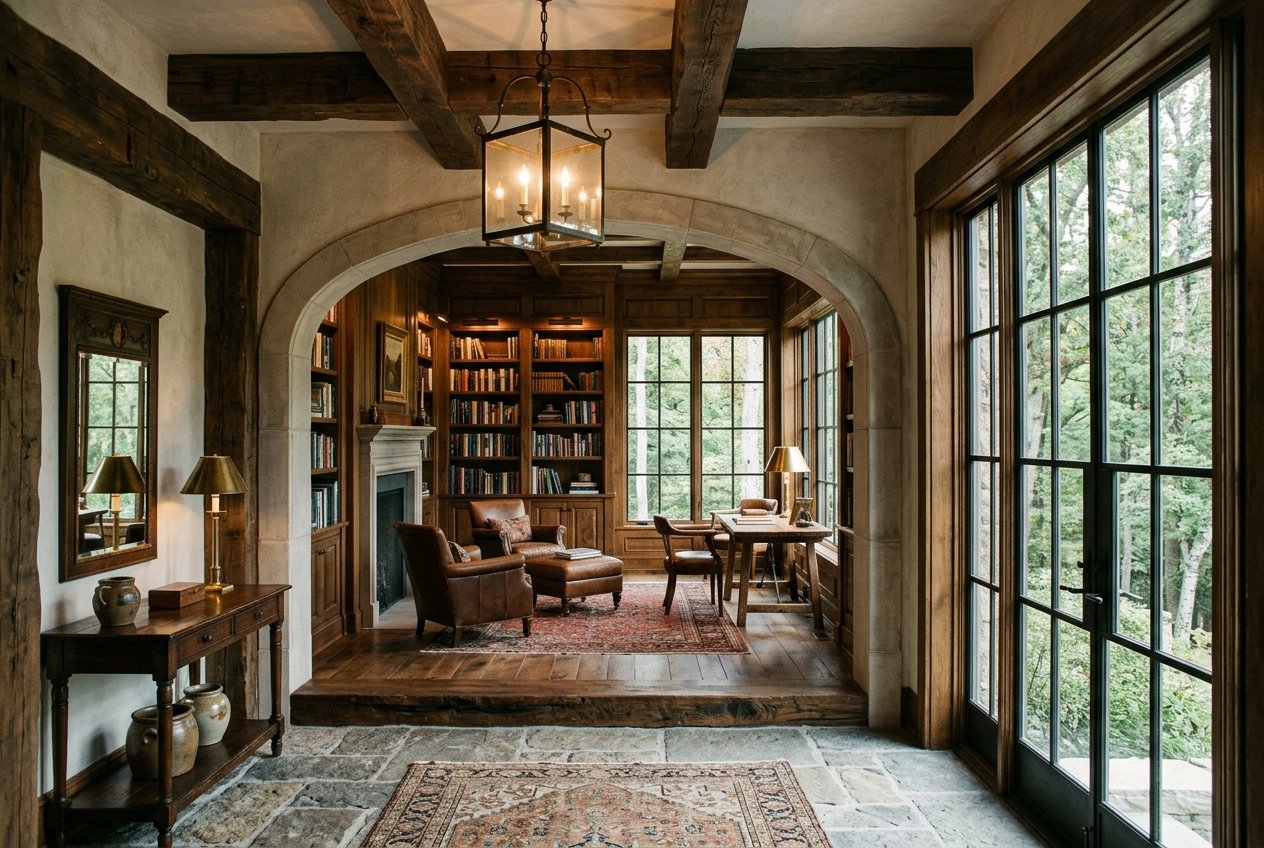
If you are preparing to sell an estate in Biltmore Forest, you are not bringing just another home to market. You are presenting land, architecture, privacy, and a setting shaped by one of Western North Carolina’s most distinctive residential communities. That kind of sale deserves careful planning, accurate pricing, and a launch strategy built for a smaller, high-value buyer pool. Let’s dive in.
Why Biltmore Forest Demands a Different Approach
Biltmore Forest is a small incorporated town in Buncombe County with about 1,343 residents across roughly 2.9 square miles. According to the town, it was created in 1923 with a vision of becoming one of the finest residential parks in the country, with lots largely in the 3 to 5 acre range and a development philosophy that connected landscaping, architecture, and overall character.
That history still matters when you sell an estate here. In Biltmore Forest, the grounds, approach, privacy, and architectural presence often shape buyer perception just as much as the room count or finishes. The town’s long-standing emphasis on naturalistic landscaping and tree protection makes exterior presentation part of the value story.
The market is also narrow by nature. In May 2026, Realtor.com’s listing snapshot showed 27 active listings, a median listing price of $2.3 million, and 66 median days on market, while Redfin’s sold snapshot showed a median sale price of $1.35 million, 84 median days on market, and 12 homes sold over the prior three months. The metrics are not identical, but together they point to a selective market with a measured pace.
Start With Pre-Market Due Diligence
For a legacy property, preparation should begin before photography, staging, or public marketing. North Carolina requires sellers of most residential property to provide a residential property disclosure statement covering items such as water and sewer, roof and structural components, mechanical systems, wood-destroying insects, zoning and covenants, and environmental issues.
The state also requires an owners’ association and mandatory covenants disclosure when applicable. The North Carolina Real Estate Commission says the mineral and oil and gas rights disclosure is mandatory as well. When these documents are organized early, buyers can move from interest to offer with fewer delays.
If your estate was built before 1978, lead-based paint rules may also apply. Buyers of most pre-1978 homes must receive any known lead information before signing a contract. If touch-up work or repainting is part of your listing prep, it is wise to account for lead-safe requirements before the project begins.
Gather Key Documents Early
A smoother listing often starts with a complete paper trail. Before launch, it helps to collect:
- Residential property disclosures
- Any applicable owners’ association or covenant documents
- Mineral, oil, and gas rights disclosure
- Tax records for the property
- Existing survey documents, if available
- Title-related records that may affect the sale
This step is especially important in a market where buyers may be purchasing a second home or evaluating the property from out of town. Clear information supports confident decisions.
Review Biltmore Forest Rules Before Exterior Work
In Biltmore Forest, exterior preparation is not just a design decision. It also needs to reflect local rules.
The town code says vacant structures, lots, and open spaces must be maintained consistently with the surrounding area. Vegetation must be neatly trimmed, and unsightly debris is prohibited. That means deferred landscape cleanup can affect more than curb appeal.
Tree rules matter as well. The town states that protected trees cannot be removed or damaged without approval, tree surveys may be required, and soil disturbance within drip lines must be avoided. If you are thinking about major pruning, tree removal, grading, or other site changes before listing, those questions should be addressed early.
The same goes for utility features. The code says new utility structures must be screened. If a seller is improving the approach or service areas before market, those details should be reviewed as part of the prep plan.
Be Careful With Signage
Signage is another area where sellers should proceed thoughtfully. In residential districts, the code expressly permits only a small sign with the owner or occupant name or street number on a lot, while other signs are governed by town sign rules and may require approval.
For an estate sale, that reinforces the need for a well-planned marketing strategy that does not rely on a typical high-visibility yard sign approach. In a privacy-sensitive market, that can align well with a more discreet launch.
Price for the Market You Have
Luxury sellers often ask the same question first: how aggressive can pricing be? In Biltmore Forest, the better question is how well your price can be defended.
Realtor.com classified Biltmore Forest as a balanced market in May 2026 and reported that homes sold for approximately asking price on average, while Redfin described the market as not very competitive. In a small, high-value segment, an ambitious number can sit for too long if the market does not validate it.
Broader Buncombe County data points in the same direction. Canopy MLS data for April 2026 showed 5.1 months of supply, 70 days on market until sale, and 94.2% of original list price received. That is a more balanced environment, which makes evidence-based pricing especially important.
Why First Pricing Matters
The first list price sets the tone for the entire campaign. In a thin market, there may not be a large wave of interchangeable buyers waiting on the sidelines. If your estate launches too high without clear support, you risk losing momentum during the most important window of attention.
That does not mean underpricing. It means using recent evidence, buyer behavior, and the property’s true differentiators to position the estate correctly from the start.
Present the Estate, Not Just the House
Buyers in this segment usually begin online, and the visual package matters. The 2025 Profile of Home Buyers and Sellers found that buyers spent a median of 10 weeks searching, and 88% purchased through a real estate agent or broker.
Among internet-using buyers, the most useful website features were photos, detailed property information, floor plans, virtual tours, and videos. MLS exposure also helps distribute listing information widely across local and national platforms, which supports broader reach when the home is ready for public launch.
For Biltmore Forest, that means your marketing should tell a complete story. The arrival sequence, the relationship between the home and the land, and the way major rooms connect to the grounds all deserve careful attention.
Use Selective Staging
You do not need to furnish every room to the same degree. NAR’s 2025 Profile of Home Staging found that 83% of buyers’ agents said staging made it easier for buyers to visualize the property as a future home.
The rooms staged most often were the living room, primary bedroom, dining room, and kitchen. For an estate property, a selective strategy often works best: focus on the rooms that communicate scale, comfort, and architectural detail, then support them with strong photography, floor plans, and video.
Prepare the Grounds Thoughtfully
Exterior presentation should be curated before the photo shoot. In Biltmore Forest, however, significant tree work or grading should be approached conservatively because of local tree and site protections.
That usually means prioritizing low-impact cleanup first. Neat trimming, debris removal, careful grooming of the approach, and attention to key view lines can improve presentation without creating issues with town requirements.
Choose the Right Launch Strategy
Not every estate needs to go public the same way on day one. A private pre-market phase can offer discretion, but it also limits exposure.
NAR notes that a seller can choose not to use an MLS and would sign documentation verifying that decision. For some privacy-focused owners, that may be attractive at first. Still, reduced visibility can mean fewer qualified buyers see the property.
A staged launch often makes sense. Prepare everything privately, then go public only when the disclosures, grounds, photography, floor plans, and video are fully ready.
A Practical Estate Launch Sequence
For many Biltmore Forest sellers, the process looks like this:
- Collect disclosures, tax records, survey materials, and covenant documents
- Complete low-impact exterior cleanup and review any tree or sign issues
- Stage the most important rooms and create photography, video, and floor plans
- Decide whether to begin with a restricted or public launch
- Keep inspection and appraisal windows tight once the home is listed
This kind of sequence helps protect momentum after the property hits the market.
Plan for Carrying Costs and Closing Details
Timing matters because ownership costs continue while your home is on the market. The Town of Biltmore Forest says residents pay both town and Buncombe County property taxes, and the 2025 town tax rate was $0.345 per $100 of assessed value.
The town also notes that taxes are due September 1 and become delinquent after January 5. If you are preparing to sell, it is smart to review carrying costs, expected prorations, and any tax-related questions early so there are no surprises during negotiations or closing.
Why Estate Sellers Benefit From Specialized Guidance
A Biltmore Forest estate sale is rarely a standard listing. It involves local rules, disclosure timing, pricing discipline, visual storytelling, and a buyer audience that tends to be more selective and often more private.
When those elements are handled in the right order, you give your property the best chance to enter the market with confidence and clarity. That is especially important in a community where presentation and stewardship are closely tied to value.
If you are considering selling in Biltmore Forest, Marilyn Wright offers discreet, high-touch guidance tailored to estate properties, with thoughtful preparation designed to position your home for a strong market debut.
FAQs
What makes selling a Biltmore Forest estate different from selling another Buncombe County home?
- Biltmore Forest is a small, high-value market with distinctive planning history, larger lots, tree protections, and a narrower buyer pool, so pricing, presentation, and pre-market preparation usually require a more tailored strategy.
What disclosures do sellers need for a Biltmore Forest estate in North Carolina?
- Sellers of most residential properties in North Carolina need a residential property disclosure statement, and when applicable, owners’ association and mandatory covenants disclosures, plus the required mineral and oil and gas rights disclosure.
Do older Biltmore Forest homes need lead-based paint disclosure?
- If the home was built before 1978, buyers of most such properties must receive any known lead-based paint information before signing a contract.
Can you remove trees before listing a home in Biltmore Forest?
- Not always, because the town says protected trees cannot be removed or damaged without approval, and tree surveys or drip-line protections may apply depending on the work.
Should a Biltmore Forest estate be staged before going on the market?
- Selective staging is often helpful, especially in major rooms like the living room, primary bedroom, dining room, and kitchen, because those spaces tend to shape first impressions in photos and showings.
Is private marketing a good option for a Biltmore Forest estate sale?
- It can be, especially for owners who value discretion, but a private launch usually trades broader exposure for privacy, so the decision should match your goals and timing.
