What is pushing Asheville’s high‑end home market forward right now? If you are weighing a purchase, a sale, or a strategic hold, you likely see strong interest and selective inventory, yet very different outcomes by property type and micro‑location. You want clarity on what really drives demand and where smart opportunities appear. This guide breaks down the lifestyle, migration, supply, and policy forces shaping Asheville and Buncombe County’s luxury segment so you can make confident decisions. Let’s dive in.
Why Asheville luxury demand is rising
Lifestyle and amenities
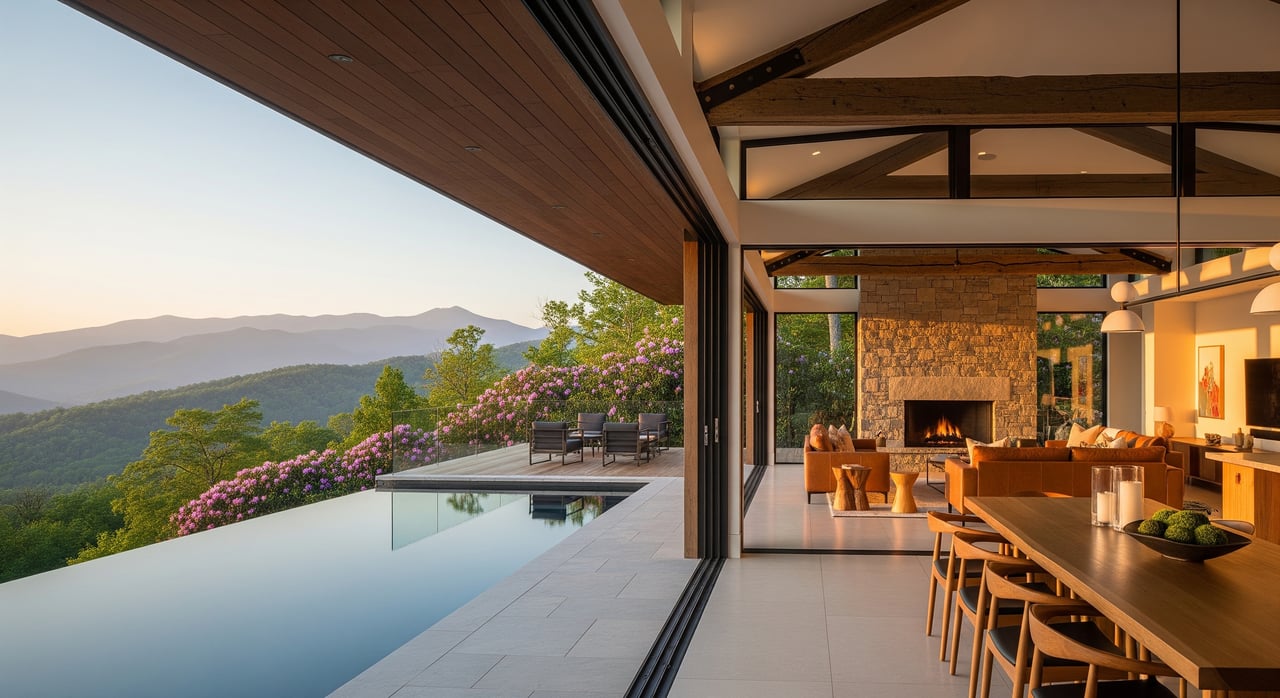
Asheville blends mountain living with culture in a way few places can. Outdoor recreation, including hiking, mountain biking, fly‑fishing, and regional ski access, keeps year‑round interest high. The city’s cultural assets, from the Biltmore Estate to galleries, breweries, restaurants, and live music, draw buyers who want both retreat and connection. Buyers often pay premiums for scenic views and privacy, creek frontage, and acreage, while a subset prioritizes walkable access to downtown or Biltmore Village.
Who is buying
You see a mix of out‑of‑state buyers, retirees, second‑home seekers, and remote professionals choosing Asheville for its quality of life and relative value compared with major metros. Local high‑net‑worth households also trade up or acquire adjacent properties. Investor interest is present, particularly where short‑term rental potential aligns with local rules. Many luxury buyers have the ability to pay cash or use flexible financing, which can soften the impact of rate cycles.
Finance and timing factors
Interest rates influence timing and price expectations, even in the luxury tier. Cash is more common at the high end, which can reduce rate sensitivity. Construction cost inflation and skilled‑labor constraints keep replacement costs elevated, reinforcing pricing on well‑located new builds and renovated properties.
What is limited on the supply side
Inventory mix near and around Asheville
Luxury inventory spans several distinct products:
- Historic estates and renovated homes in close‑in neighborhoods such as North Asheville, Montford, Kenilworth, Grove Park, and Biltmore Forest.
- Custom mountain retreats on acreage and ridge lines in Buncombe County’s outskirts for privacy and views.
- Downtown luxury condos and adaptive‑reuse lofts in the River Arts District and central Asheville.
- Small luxury subdivisions and gated communities around the county periphery.
Geography matters. Flat, buildable parcels near downtown are scarce. Steep slopes and environmental protections can make development complex, which supports land values where building is feasible.
New‑build pipeline
At the top of the market, custom homes dominate because buyers want specific siting, finishes, and amenities. Speculative luxury remains more common in small infill or boutique projects rather than large master‑planned communities. Developers frequently emphasize sustainability, mountain‑modern design, and low‑maintenance luxury finishes. Permitting timelines, trades availability, and infrastructure access shape how quickly new product reaches the market.
Regulations and terrain
Zoning, hillside and stormwater controls, and conservation easements limit where and how luxury homes are built. City and county permitting processes, along with rules affecting short‑term rentals, directly influence inventory and investor appetite. Infrastructure constraints, including narrow mountain roads and septic limitations in non‑sewer areas, add cost and cap density.
Where value concentrates
Micro‑locations that command premiums
Premiums tend to track a few attributes:
- Panoramic views, optimal orientation, and elevation with year‑round access.
- Acreage that includes a usable, relatively flat building site.
- Shorter drive times to downtown, Biltmore Village, and established luxury enclaves.
- Historic or architectural character in areas like Montford and Grove Park when combined with modern systems and thoughtful renovations.
Within Asheville, high‑end interest consistently shows up in Biltmore Forest, Kenilworth, North Asheville, Grove Park, and select urban condo nodes in the River Arts District and pockets of West Asheville. Outlying ridge properties and gated communities serve buyers seeking privacy, acreage, and views.
Product types and price drivers
Historic estates, contemporary mountain retreats, and urban luxury condos perform differently. Renovated historic homes with character and updated systems can carry strong premiums. Newer custom builds with advanced engineering on challenging sites often reflect higher construction inputs. Downtown condos trade on walkability and low maintenance. The most reliable value drivers remain view quality, privacy, build quality, and access in all weather.
Opportunities for buyers and sellers
Buyer strategies in today’s market
- Seek close‑in tear‑down or rebuild opportunities where land plus a new build creates a favorable gap to turnkey pricing.
- Consider boutique downtown infill condos and adaptive‑reuse lofts if you want lock‑and‑leave convenience with strong lifestyle appeal.
- Target acreage parcels with documented buildable sites and preliminary engineering. Clear feasibility reduces risk and speeds timelines.
- Work private networks. Off‑market and pocket listings are common in the luxury tier and reward discreet, relationship‑driven search.
Seller strategies to maximize outcomes
- Align listing timing with recent top‑tier comps and active buyer segments for your product type.
- Invest in high‑impact preparation that elevates photography and video. Luxury buyers expect curated presentation.
- Address access, inspection, and permitting documentation up front. Reducing friction widens the buyer pool.
- Consider a discreet marketing phase to reach qualified prospects before public launch when privacy matters.
Risks to plan for
Land and build considerations
Steep‑slope and soil stability risks can add unexpected costs for engineering, retaining walls, and drainage. Remote or ridge properties may require longer driveways, utility extensions, and specialized septic or well systems. Construction costs and weather can move timelines.
Short‑term rental policy shifts
Short‑term rental income can shape buyer returns, but municipal policy changes and enforcement directly affect feasibility and resale demand. Always verify current rules and licensing pathways before underwriting revenue.
Liquidity and timing
Luxury properties can take longer to sell and carry higher transaction and carrying costs. The segment also responds to broader wealth and equity market shifts. Plan for longer marketing horizons, tailored positioning, and precise pricing.
Due diligence checklist for luxury buyers
- Order topographic, soils, and geotechnical reports for mountain lots.
- Confirm easements, rights‑of‑way, and year‑round road maintenance responsibilities.
- Verify floodplain, landslide, and wildfire exposure using local hazard layers and insurer guidance.
- Review HOA or club covenants, past permits, and any conservation easements.
- Check current short‑term rental rules and licensing if income is a consideration.
- Commission a micro‑neighborhood comps analysis by product type, including historic estates, new builds, or urban condos.
- For a new build, map a realistic schedule and budget with allowances for permitting, weather, potential cost escalations, and material or labor delays.
What to watch next
Track the indicators that move this market:
- Months of inventory for the $1 million and above segment in Asheville and Buncombe County.
- Median and average sale prices for the top decile of homes, plus price per square foot trends.
- Days on market for luxury listings versus countywide averages.
- Share of cash transactions at the high end.
- Ratio of new construction to resale closings in the luxury tier.
- Building permit volume for high‑valuation single‑family homes and average time from permit to completion.
- Short‑term rental license counts and any updates to city or county ordinances.
Final thoughts and next steps
Asheville’s luxury market is shaped by lifestyle appeal, steady in‑migration, and land‑driven supply limits. That mix creates durable demand, selective competition, and sharp differences by micro‑location and property type. If you align product, presentation, and timing, you can capture meaningful value whether you are buying or selling.
If you want tailored guidance, market‑matched positioning, and discreet access to off‑market opportunities, request a private consultation with Marilyn Wright. You will benefit from local construction literacy, record‑setting results, and global reach through Sotheby’s.
FAQs
Where is luxury housing concentrated in Asheville?
- Luxury demand clusters in close‑in historic neighborhoods such as North Asheville, Montford, Kenilworth, Grove Park, and Biltmore Forest, in downtown and River Arts District condos, and in outlying ridge and gated communities for acreage and views.
Who are the main buyers in Asheville’s high‑end market?
- A mix of out‑of‑state buyers, retirees, second‑home purchasers, remote professionals, and local high‑net‑worth households, with investors participating where short‑term rental rules allow.
Is new luxury construction keeping pace with demand in Buncombe County?
- Custom builds dominate and small infill projects add selective supply, but terrain, permitting, construction costs, and trades availability limit overall volume and speed.
How do short‑term rental rules affect luxury investments in Asheville?
- Policy and enforcement directly impact income potential and resale demand, so you should confirm current licensing paths and neighborhood restrictions before underwriting returns.
What features most influence luxury pricing in Asheville?
- Panoramic views, privacy on usable acreage, high‑quality construction and finishes, year‑round access, proximity to downtown and established enclaves, and preserved historic character where applicable.
What metrics should I monitor before listing or buying a $1M+ property?
- Watch months of inventory, luxury days on market, top‑decile price trends, cash‑buyer share, the mix of new builds versus resales, permit volume, and any changes to short‑term rental ordinances.
