What really sets one Asheville estate apart from another? If you have toured a few mountain properties, you know two homes with similar square footage can command very different prices. You want clarity on what the market rewards so you can buy or sell with confidence. In this guide, you will learn the key factors that define value in Buncombe County’s luxury segment and how to evaluate them like a pro. Let’s dive in.
What luxury means in Asheville
Luxury in Asheville is best understood as the top tier of the market, where exceptional attributes lead pricing. Locally, that tier often aligns with roughly the top 5 to 10 percent of sales by price in the MLS. Because these homes are unique, there are fewer direct comparables and more qualitative adjustments. Longer marketing times and a higher share of cash or custom financing are common.
The five pillars of value
Views and elevation
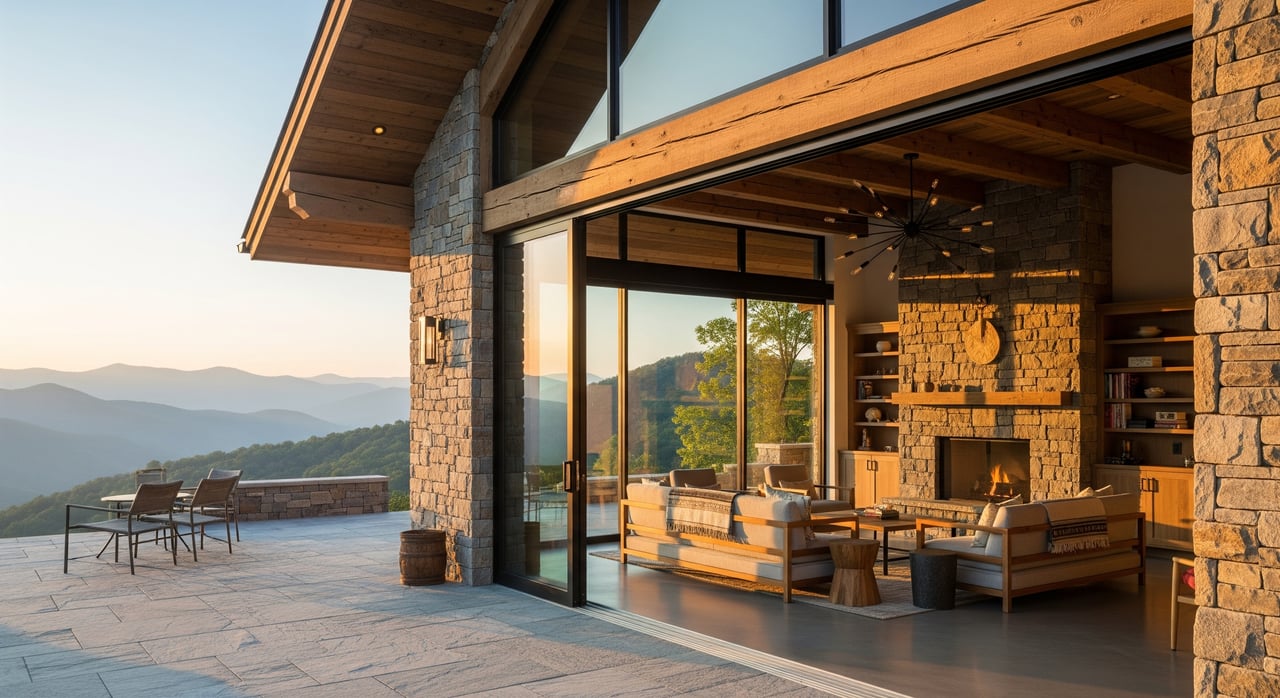
Long-range mountain or valley views are primary price multipliers. Elevation, sun exposure, and a protected view corridor all matter. Properties above surrounding treelines or with unobstructed ridgelines typically command higher prices. South and west aspects can enhance light and sunset appeal.
Architecture and provenance
Architectural pedigree, historic significance, and craftsmanship increase perceived and actual value. Buyers respond to documented design, high-caliber builders, restoration history, and materials like local stone or reclaimed timbers. Detailed maintenance records help substantiate premium pricing.
Acreage, privacy, and land use
Large, contiguous acreage supports privacy, buffer zones, and recreational uses such as trails or equestrian. Usable acreage is more important than raw acreage. Buildable plateaus, road access, and gentle slopes drive value more than steep ridgelines alone.
Proximity to culture and services
Demand concentrates where you can enjoy both mountain living and city access. Short drives to downtown dining and arts, the River Arts District, and major hospitality anchors add appeal. Proximity to healthcare and private schooling options is a consideration for many primary-residence buyers.
Accessibility and travel time
Convenient paved access and reasonable drives to Asheville Regional Airport and interstates influence second-home demand. For many out-of-area buyers, flight connectivity and travel ease shape willingness to pay.
Where premiums concentrate
Biltmore Forest
This historic municipality south of downtown features estate-scale homes on large lots and a quiet residential setting. It has a consistent track record of premium pricing.
North Asheville: Grove Park, Montford, Kenilworth
Close-in neighborhoods with architectural character and walkable access to culture see strong demand. Select homes also capture mountain or skyline views.
Biltmore Village and east Asheville corridors
Proximity to Biltmore Estate, upscale retail, and resort amenities attracts buyers who want convenience with a refined setting.
West Asheville pockets and Skyland or Beaverdam ridgelines
Elevated pockets offer privacy and views while keeping you near the city’s energy. Ridgeline parcels can trade at a premium when access and view protection align.
Outlying high-elevation tracts
Private roads near the Blue Ridge Parkway and unincorporated areas with multi-acre parcels define the classic mountain estate profile. These properties appeal to buyers seeking long-range views and seclusion.
Neighboring towns
Nearby towns such as Weaverville and Black Mountain offer estate properties and larger parcels, sometimes with different land-use profiles. These areas can provide value for equestrian or recreational uses.
How value is measured
Comparables and adjustments
Price per square foot is less reliable for custom estates. You will see agents and appraisers use supplementary metrics like price per acre, price per usable acre, and replacement cost. Expect larger adjustments for view quality, architectural pedigree, acreage, and unique amenities.
Key inspections and site checks
Mountain properties warrant deeper due diligence. Focus on structural systems on steep sites, retaining walls, and driveway or road easements. Confirm water supply, septic capacity and location, and utility access. Review environmental risk on steep terrain, wildfire exposure, and any floodplain considerations along rivers.
Title, easements, and encumbrances
Recorded items such as conservation easements, road rights-of-way, private trail access, and view easements can materially affect value and future use. Private road and HOA maintenance responsibilities impact carrying costs and should be reviewed early.
Insurance and carrying costs
Insurance availability and cost for landslide, wind, wildfire, and flood components can influence pricing and lending. For remote estates, plan for property management, security, landscaping, and winter road clearing as part of your annual budget.
Financing and ownership structures
At the high end, many buyers use LLCs, trusts, or other structures. Non-resident and international buyers should review tax guidance early. Close coordination with local counsel and advisors supports a smooth transaction.
How to evaluate views and land
Use clear criteria to compare properties objectively. Elevation, aspect, and the permanence of the view corridor matter most. Study neighboring parcels and potential build sites to gauge whether future development could affect the view. On acreage, separate total acres from usable acres and assess access, slope, and soils for buildability.
Quick checklist: what appraisers weigh
- View permanence and quality, including orientation and distance
- Usable acreage, buildable plateaus, and access road condition
- Architectural pedigree and craftsmanship with documented materials
- Proximity to culture, healthcare, and services
- Local permitting constraints for septic, wells, and steep slopes
- Insurance and insurability for site-specific risks
Regulations that shape value
Short-term rentals
Short-term rentals are regulated within the City of Asheville and Buncombe County. Rules and permitting differ by location and can affect income potential and buyer demand. Verify the property’s address, jurisdiction, and any permits during due diligence.
Conservation easements
Easements are common on mountain tracts to preserve land and views. They can offer tax benefits while reducing development rights, which impacts comparables and lending. Review all recorded documents to understand permitted uses.
Environmental and development constraints
Steep-slope rules, stream buffers, and septic or well permitting influence what you can build and where. Carry these factors into valuation, especially when comparing parcels with similar acreage but different buildability.
Amenities that move the needle
Outdoor living drives Asheville demand. Trails, water features, equestrian facilities, pools, and outdoor kitchens add value. Inside, guest cottages, staff quarters, wine cellars, hobby spaces, and advanced home automation stand out. Availability of local property management and concierge services is a plus for second-home owners.
Seller playbook: defending a premium
- Document the story. Provide architectural plans, builder names, restoration history, and materials lists. Detailed maintenance records bolster credibility.
- Protect the view. If applicable, record or document view corridors and tree management plans. Clarify any agreements with neighbors or HOAs.
- Improve access. Maintain paved or well-engineered drives, address drainage, and clarify road maintenance obligations.
- Prepare due diligence. Order surveys, septic and well reports, and gather permits up front for a clean review period.
- Market to the right audience. Position the property on its unique attributes and lifestyle. High-caliber visuals and targeted distribution reach qualified buyers.
Buyer playbook: validating the price
- Start with the five pillars. Rate view, architecture, acreage and privacy, cultural proximity, and access on a simple 1 to 5 scale.
- Confirm usability. Separate total acres from buildable areas and factor in road quality and slope.
- Model carrying costs. Price the full package, including insurance, property management, and seasonal maintenance.
- Stress-test the view. Evaluate potential nearby development and vegetation growth. Ask for prior surveys or view easement documents.
- Align with lifestyle. Measure drive times to downtown, healthcare, and the airport to confirm daily or seasonal use patterns.
Why this market rewards expertise
Asheville’s luxury segment blends mountain-specific attributes with urban cultural access. With fewer direct comparables and more qualitative drivers, having an advisor who understands construction, land, and demand patterns is essential. A consultative approach helps you price accurately, negotiate confidently, and close smoothly.
Ready to evaluate a property or position yours for record results in Western North Carolina? Request a private, discreet strategy session with Marilyn Wright to discuss your goals.
FAQs
What defines a luxury home in Asheville?
- Locally, the luxury tier aligns with roughly the top 5 to 10 percent of sales by price, where unique attributes like views, pedigree, and acreage drive value.
How much do long-range views add to price?
- Views are a primary multiplier. Appraisers make larger qualitative adjustments for unobstructed, protected long-range views, especially at favorable elevations and aspects.
Does more acreage always mean more value?
- Total acres matter, but usable acres matter more. Buildable plateaus, access, and slope often outweigh raw size when determining price.
Which Asheville areas command premiums and why?
- Biltmore Forest, close-in North Asheville neighborhoods, select ridgelines, and high-elevation tracts see strong demand due to views, architectural character, privacy, and cultural proximity.
How do short-term rental rules affect value?
- Rules differ between the City of Asheville and Buncombe County. Permitting can influence income potential and buyer demand, so verify jurisdiction and approvals early.
What due diligence is essential for mountain estates?
- Structural and site inspections, surveys, septic and well evaluations, title and easement reviews, environmental risk checks, and insurance quotes are key to a sound decision.
